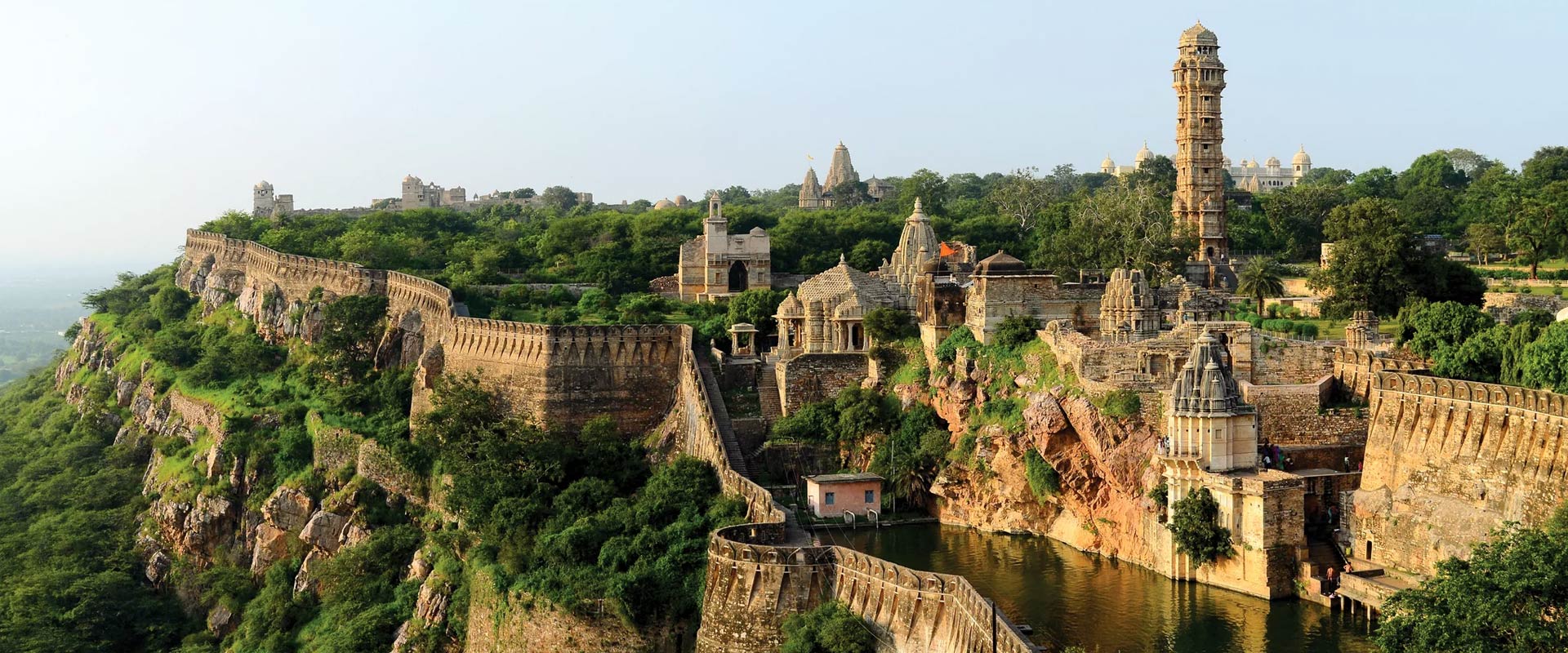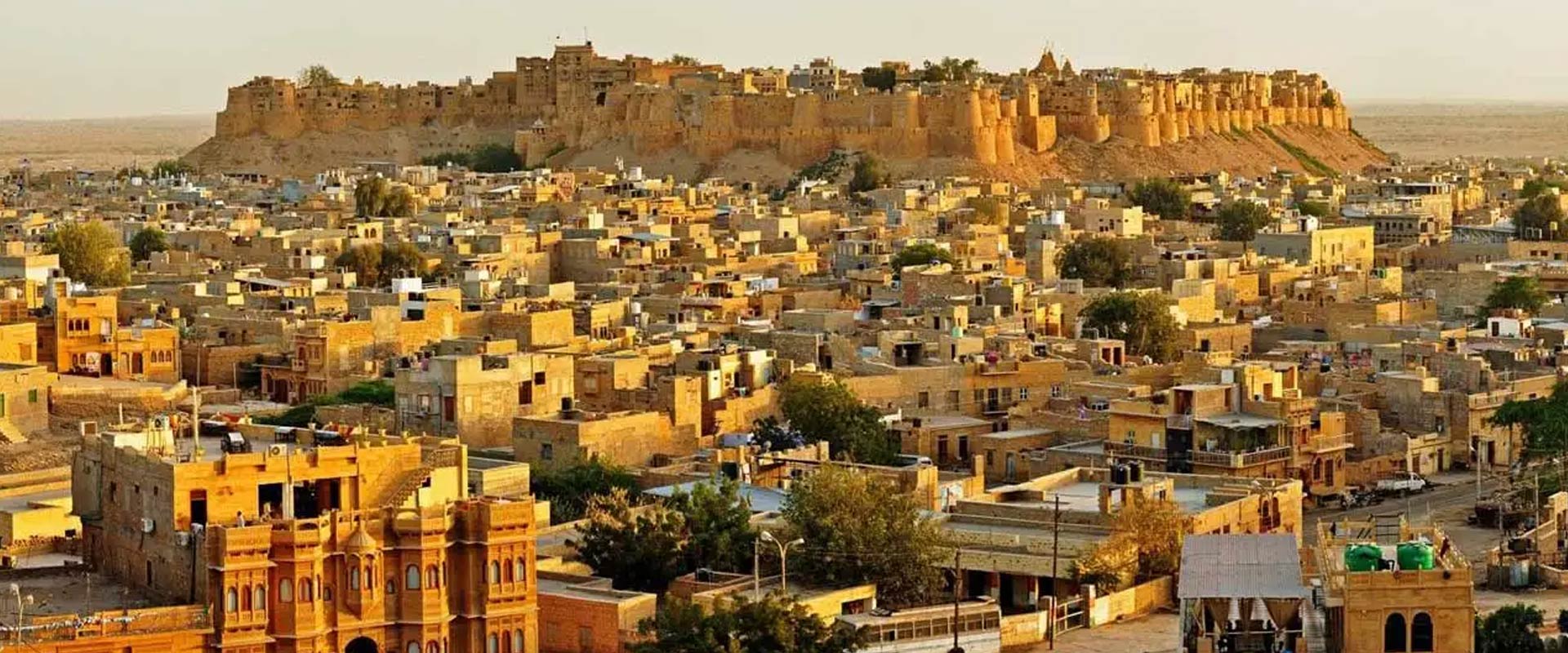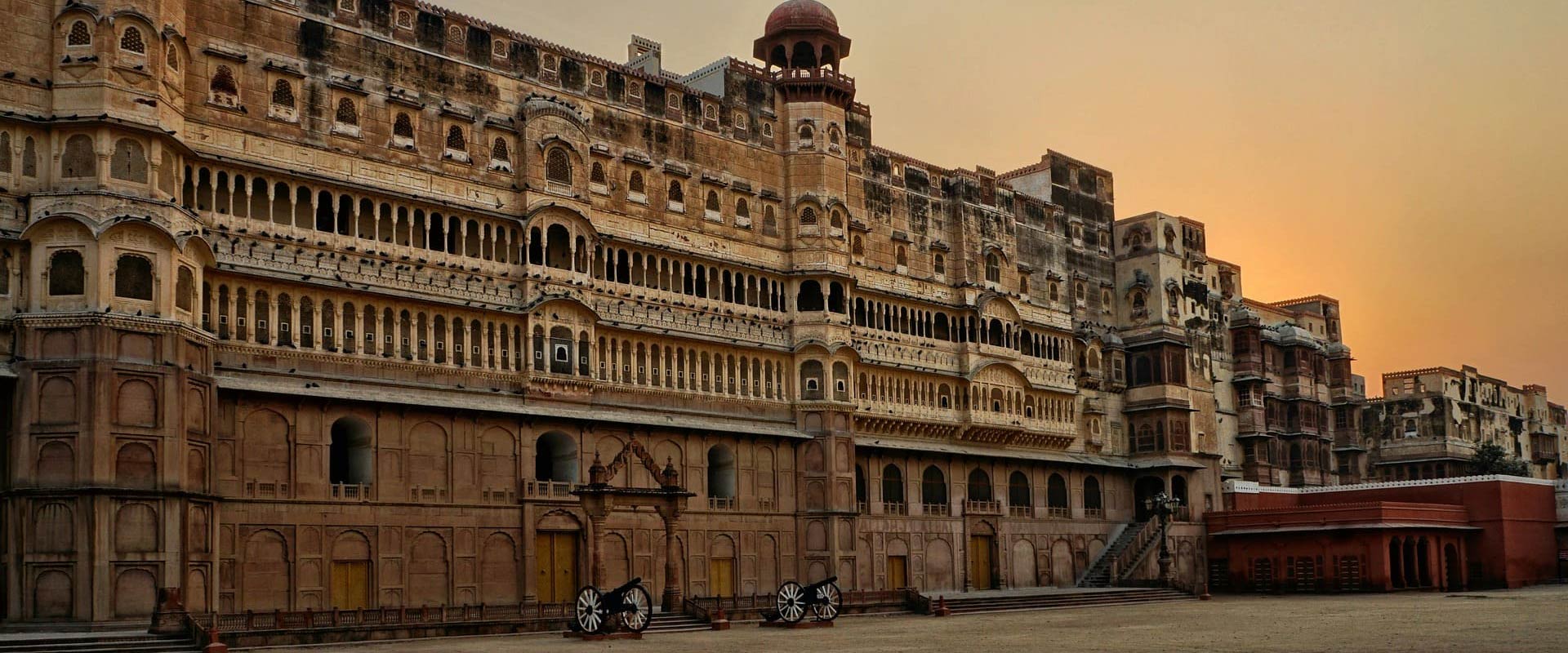

This 6 Days Golden Triangle Tour by B2B Rajasthan Tours follows the Delhi–Agra–Jaipur route we recommend for first-time India travelers who want heritage sightseeing at a comfortable pace. The 5-night journey covers Delhi’s historic landmarks, the Taj Mahal, Agra Fort, Amber Fort, and Jaipur’s Pink City. This private Golden Triangle Tour 6 days suits couples, families, and international travelers.
| Hotel Accommodation on DBL sharing basis |
| Daily Breakfast & Dinner |
| All Sightseeing and transfers by Air-Conditioned Vehicle |
| Driver Allowance, Fuel, Parking Charges, Toll Taxes and Interstate Taxes |
| Child below 5 years is complimentary (without extra bed) |
| Meals & drinks other than specified in inclusions. |
| Expenses of personal nature such as portages, tickets |
| All entrances, camera fees, guide & driver tipping |
| Insurance Cover. |
| Any air/train/bus fare. |
Arrive in Delhi – Your Gateway to India. Meet, assist, and transfer to your hotel. Depending on your time of arrival in Delhi, proceed with a sightseeing tour of chosen sites in New Delhi.
Head to India Gate and take a drive through the Central Government District and continue to the UNESCO World Heritage Site, Humayun's Tomb.
In case you have ample time, do visit the Lotus Temple before heading back to the hotel.
Overnight stay at a Delhi Hotel.
After breakfast, set out for a whole-day sightseeing tour to Old and New Delhi.
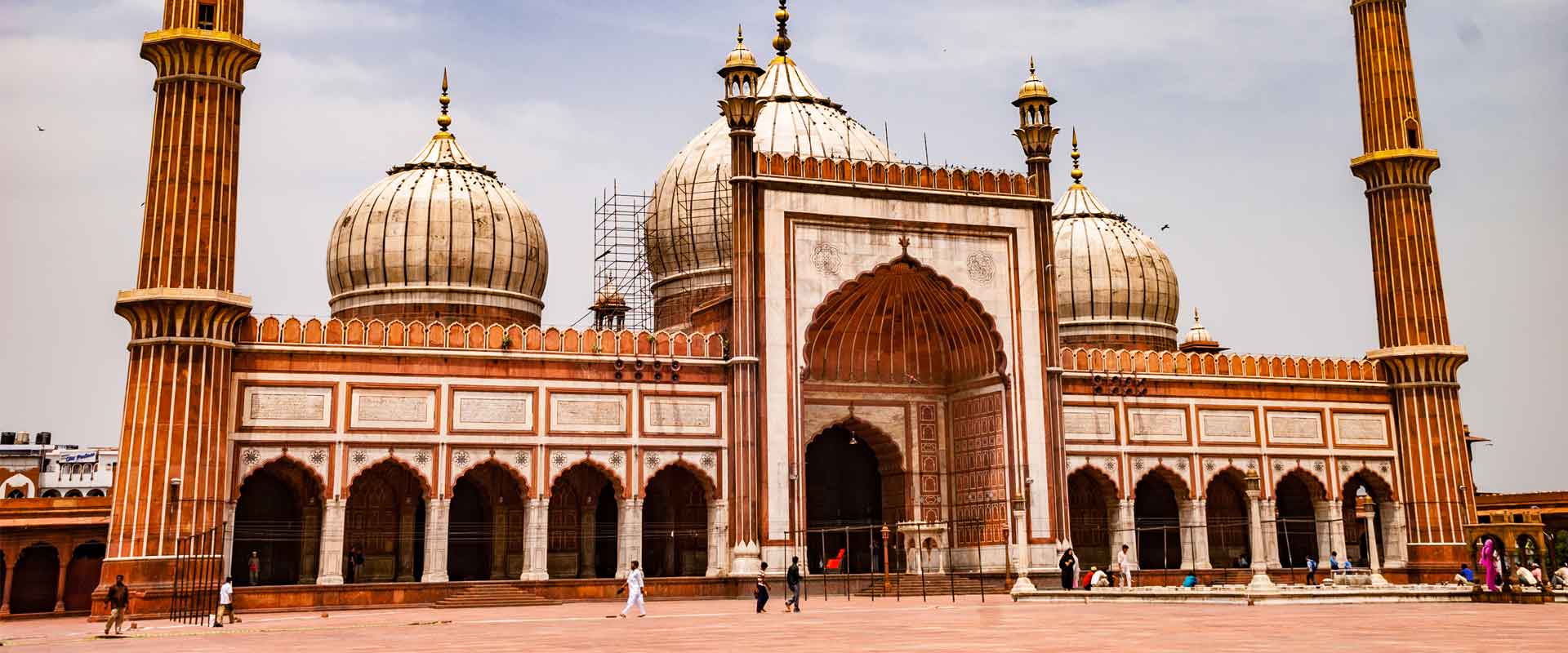
Begin your journey with Jama Masjid and then move to the Old Delhi area rich in history. Proceed further to the Red Fort and move to Raj Ghat to see the memorial of Mahatma Gandhi.
In the afternoon, tour the UNESCO World Heritage Site – Qutub Minar and visit the remaining New Delhi attractions if time permits.
Return to your hotel after sightseeing.
Overnight stay at a Delhi hotel.
After breakfast, check out and drive from Delhi to Agra, which is a journey generally made via the Yamuna Expressway.
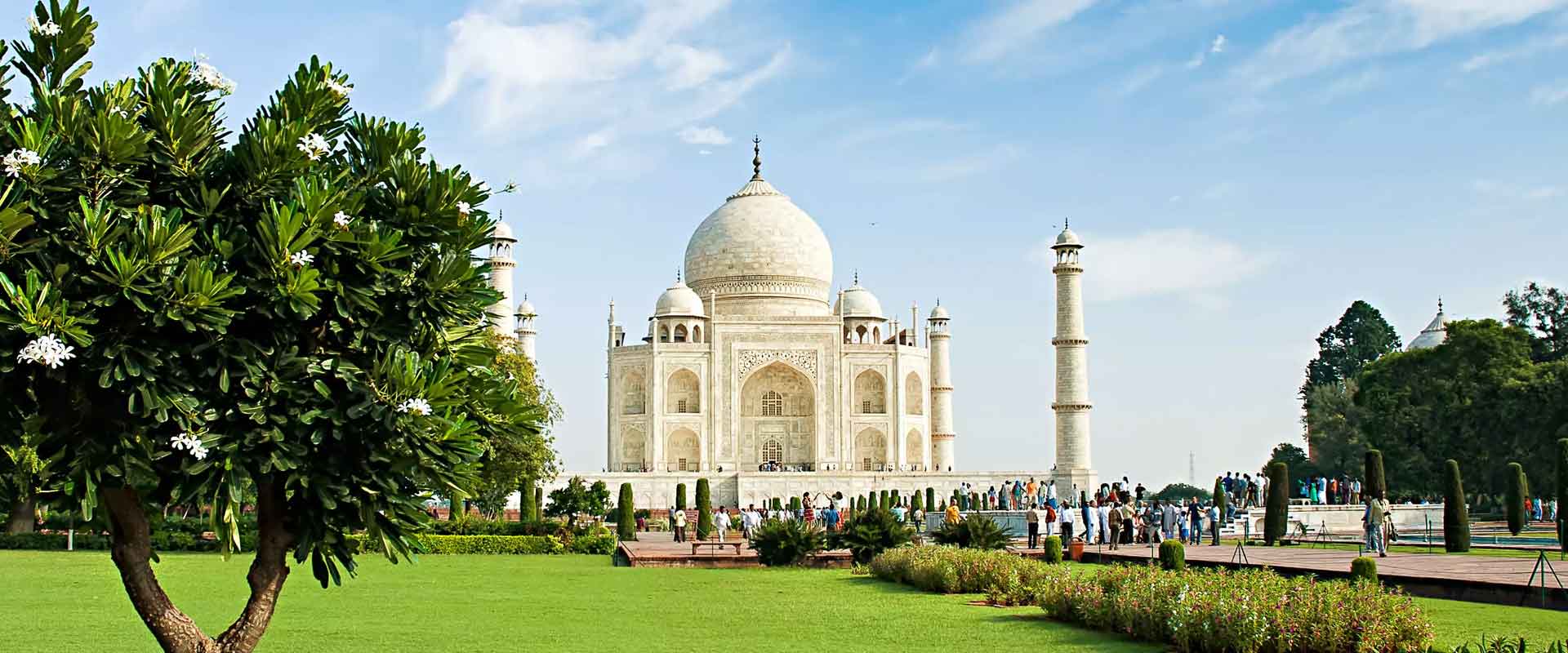
Upon arrival, check into your hotel and later go to see the magnificent Taj Mahal - a 17th-century white-marble mausoleum built by Mughal emperor Shah Jahan.
Move on to visit the UNESCO World Heritage Site of Agra Fort, a fortress that served as an essential strategic base for the Mughals in India.
In the evening, take a stroll around the local market, or simply relax in your hotel.
Overnight stay at an Agra Hotel.
After breakfast, you will check out and proceed to Jaipur.
En route, stop over at Fatehpur Sikri, the former Mughal imperial city, founded by Mughal Emperor Akbar and declared a UNESCO World Heritage Site. Visit its ancient palaces, courtyards, and monumental gateways before proceeding to Rajasthan.
Arrive in Jaipur & check in at the hotel & relax or visit a Market.
Overnight stay at a Jaipur Hotel.
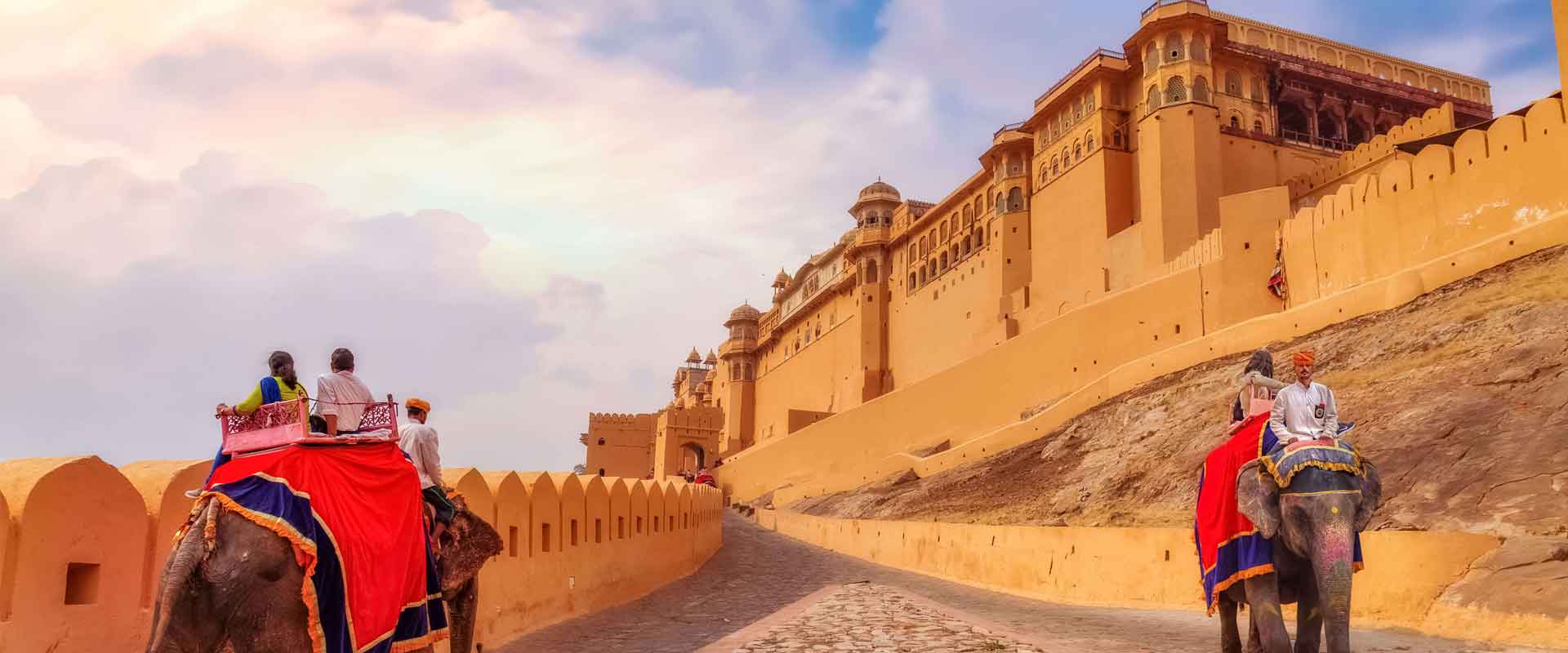
After breakfast, you will go to Amber Fort. You will explore the palace and courtyard area of the hilltop fortress of Amber Fort (Amer).
Proceed to Panna Meena ka Kund and take a short halt at Jal Mahal for taking pictures.
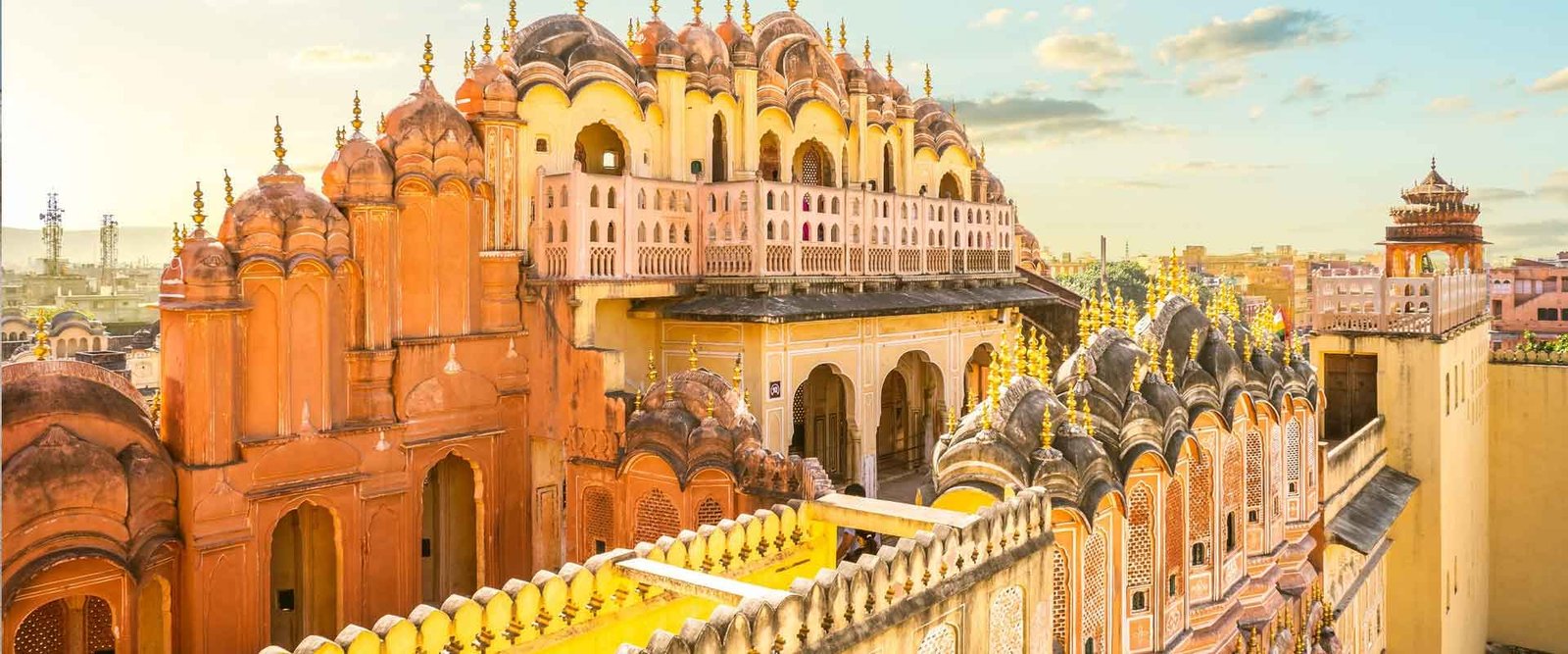
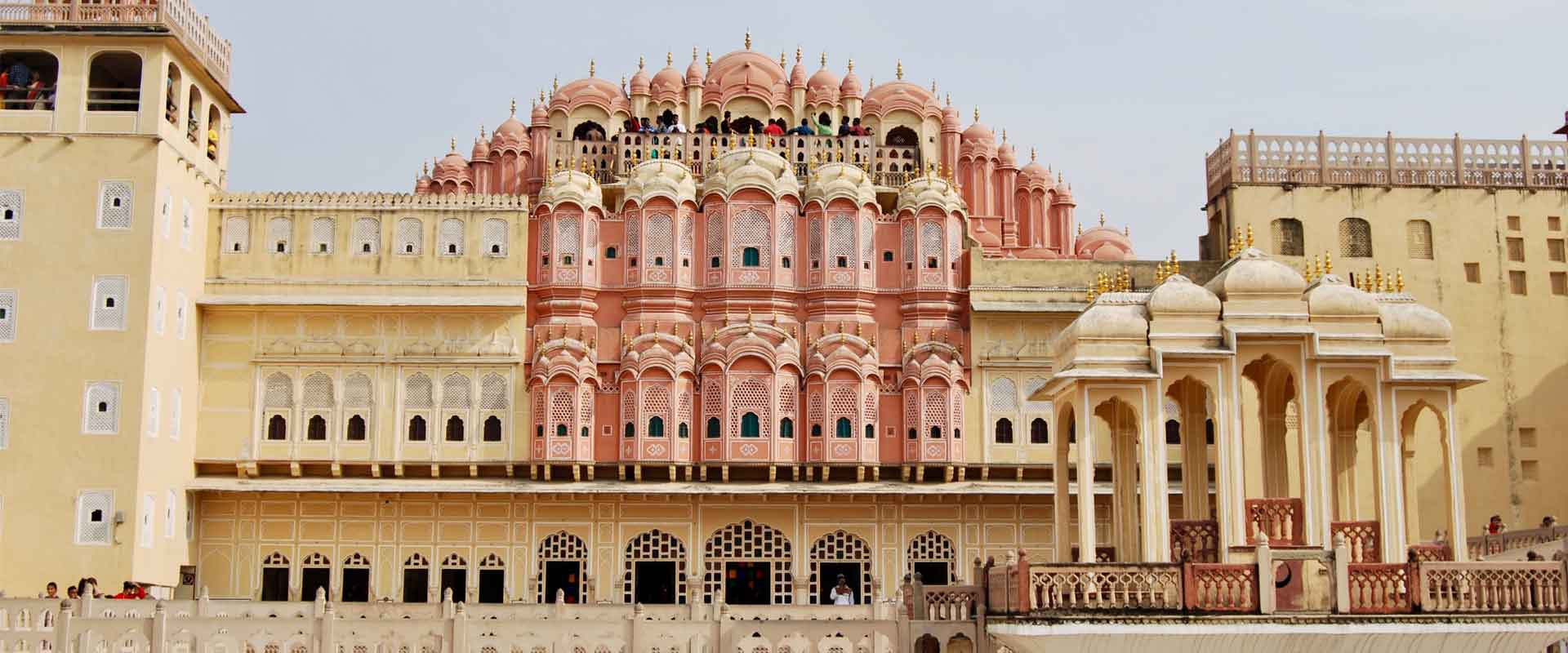
In Jaipur, the UNESCO-listed Jantar Mantar and City Palace are a five-minute walk from each other in the old town. Stop for photos at Hawa Mahal before heading to the Amber Fort.
Travel on to Jaipur and enjoy an evening shopping in the bazaars, where you will find great bargains on antiques, textiles, silver and souvenirs.
Overnight stay at a Jaipur hotel.
After breakfast, leave from your Jaipur hotel and drive back to Delhi.
On arrival, transfer to your onward journey arrangements by taxi/rickshaw to Delhi Airport/railway station or to your hotel.
Your 6 Days Golden Triangle Tour is completed to explore the three most famous heritage destinations of North India- Delhi, Agra & Jaipur.
Free Support!
The best times to travel to India is usually from October till March, when the weather is pleasant in most parts of the country. Now, travel during monsoon months (July – September) is also possible, as appropriate facilities are being provided at places that present a good tourism opportunity during this time (such as Goa, the Western Ghats, Kerala, etc.).
Since India has a tropical climate, it is essential to carry mosquito repellents (creams, lotions), medicines for fever and diarrhea, cold and allergy. It is also advisable to carry mineral water, as at places the quality of water offered for drinking might be doubtful. Also, carry sun screen if possible, especially during the summer months. Foreign tourists must carry their Yellow Fever Vaccination Certificate conforming to International Health Regulations if they have traveled to, or even been in transit through Africa, South America or Papua New Guinea in the last six months. No other vaccination is required. For personal protection, however, inoculation is recommended for cholera, typhoid, malaria and hepatitis. Detailed information on medical care and first aid tips while traveling to India.
Any foreigner who wants to enter India must have a valid visa affixed on his or her passport. This can be obtained from the Indian Consulate in various countries. Foreign nationals of Indian origin, their spouses and children also need visas. They can however obtain Entry Visas valid upto 10 years. Tourist Visas can be obtained for 6 months, 1 year or even 10 years. Visas of the appropriate type should be obtained by students, businessmen, journalists and others who want to visit India for professional purposes.
All types of visas are valid for the indicated period from the date of issue (and not from the date of first entry into India). Post-dated visas are not issued. Application form and picture requirements All applicants for Entry and Tourist Visas are required to fill out an application form and provide one recent passport size photograph. Applicants for Business, Research, Journalist and some other types of visas are required to submit two forms duly filled in and two pictures.
Indian Government’s tourist offices are present all over the world. Click here for a list of these offices to locate one in your area… Govt. of India Tourist offices- Overseas. Govt. of India Tourist offices – India.
Indian Government’s tourist offices are present all over the world. Click here for a list of these offices to locate one in your area… Govt. of India Tourist offices- Overseas. Govt. of India Tourist offices – India.
India is on the fast track of economic development. Even in the wake of modernization, the country has not lost its connection with its age old tradition and heritage. It offers you state-of-the-art facilities, and the conference venues are equipped with latest technological gadgetry. Moreover, a large part of the population understands and speaks English. So when you hold a conference/seminar in India, you have the twin advantage of modern amenities and the promise of an exotic experience.