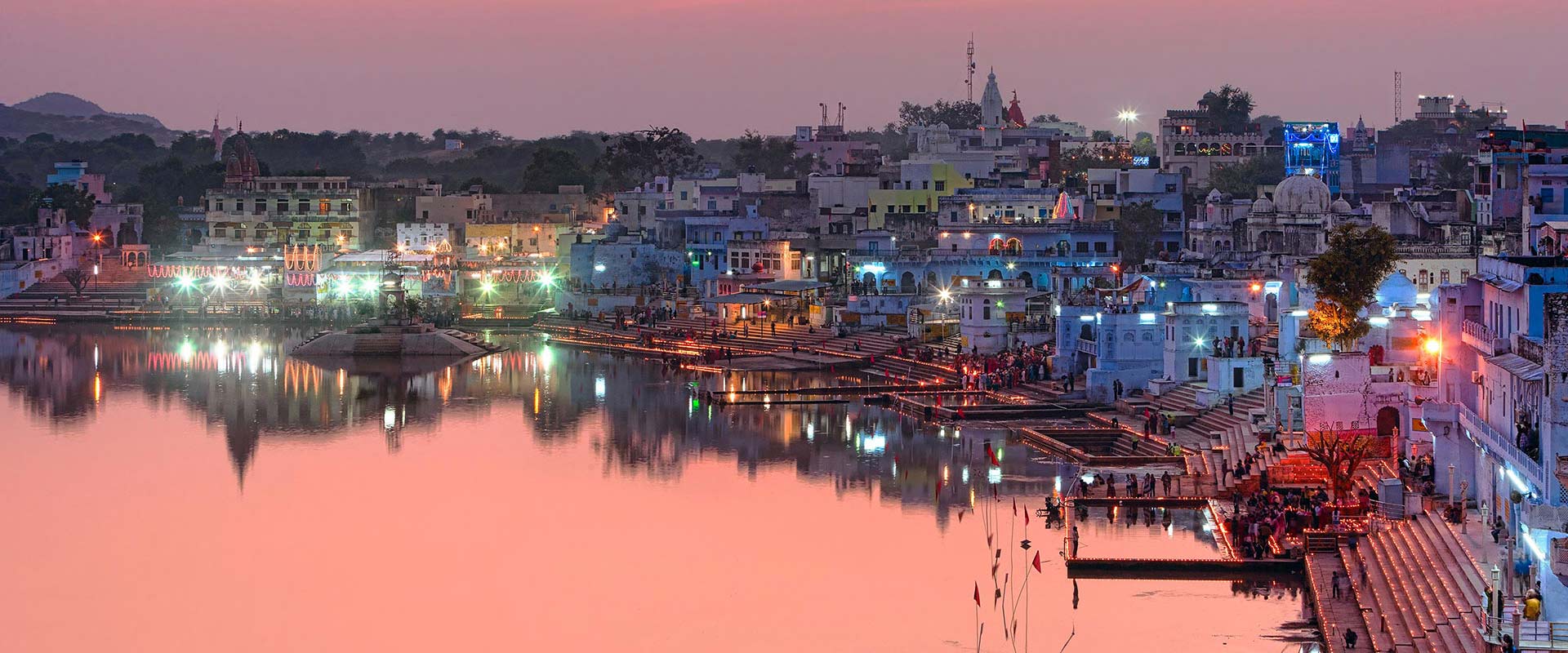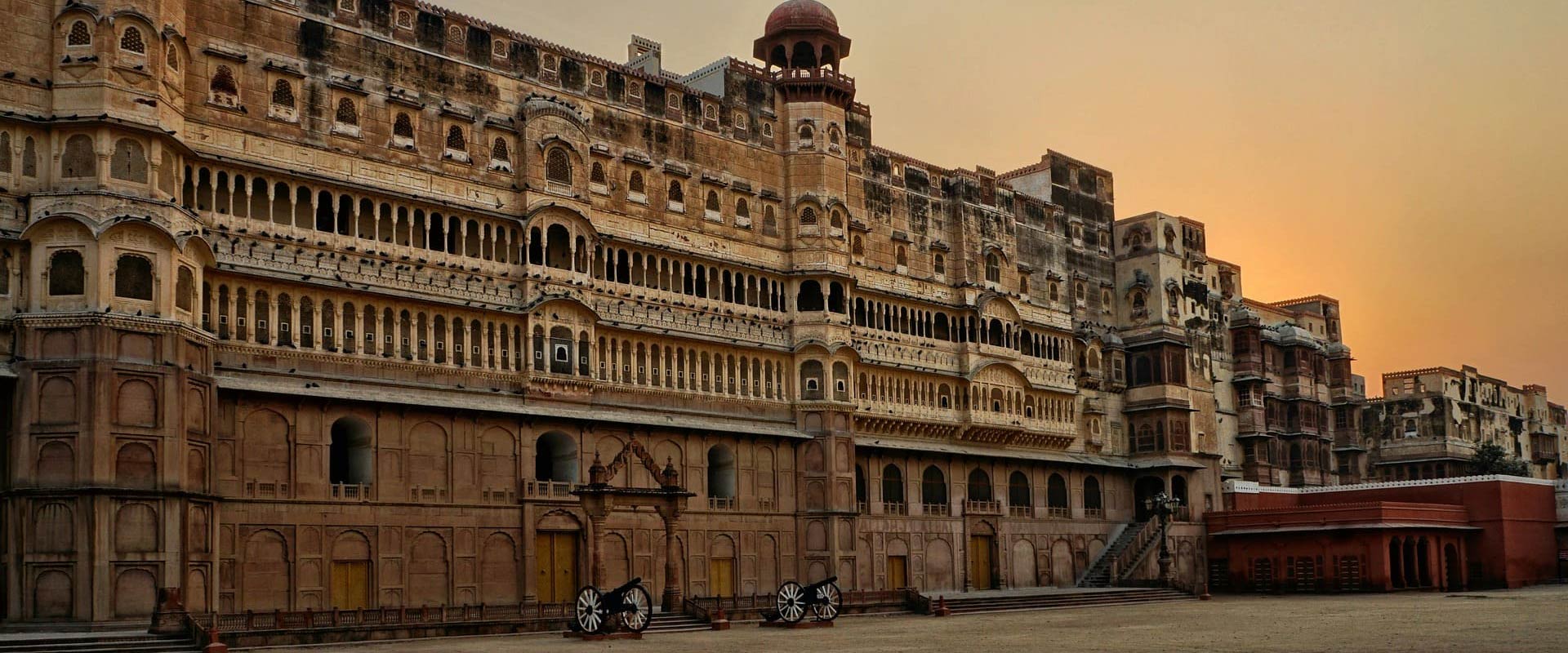

This Rajasthan Tour Itinerary 10 Days by B2B Rajasthan Tours follows a route we recommend for first-time travellers seeking forts, desert experiences, and lakes without changing hotels every night. Covering Jaipur, Bikaner, Jaisalmer, Sam Sand Dunes, Jodhpur, and Udaipur, this Rajasthan Itinerary for 10 days includes major heritage sights, a desert stay, and private, customizable travel between cities.
| Hotel Accommodation on DBL sharing basis |
| Daily Breakfast & Dinner |
| All Sightseeing and transfers by Air-Conditioned Vehicle |
| Driver Allowance, Fuel, Parking Charges, Toll Taxes and Interstate Taxes |
| Child below 5 years is complimentary (without extra bed) |
| Meals & drinks other than specified in inclusions. |
| Expenses of personal nature such as portages, tickets |
| All entrances, camera fees, guide & driver tipping |
| Insurance Cover. |
| Any air/train/bus fare. |
Upon arrival at Jaipur Airport or Railway Station, meet our representative who will take you to your hotel.
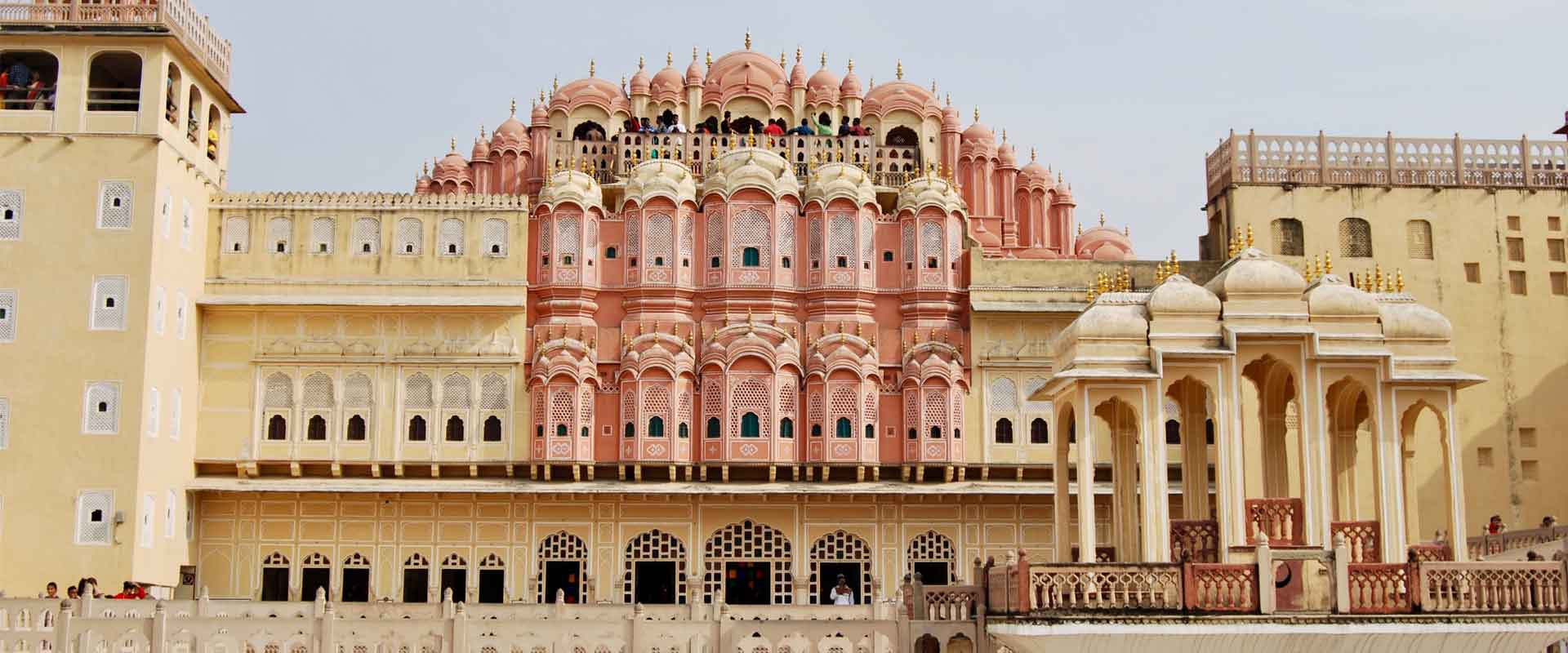
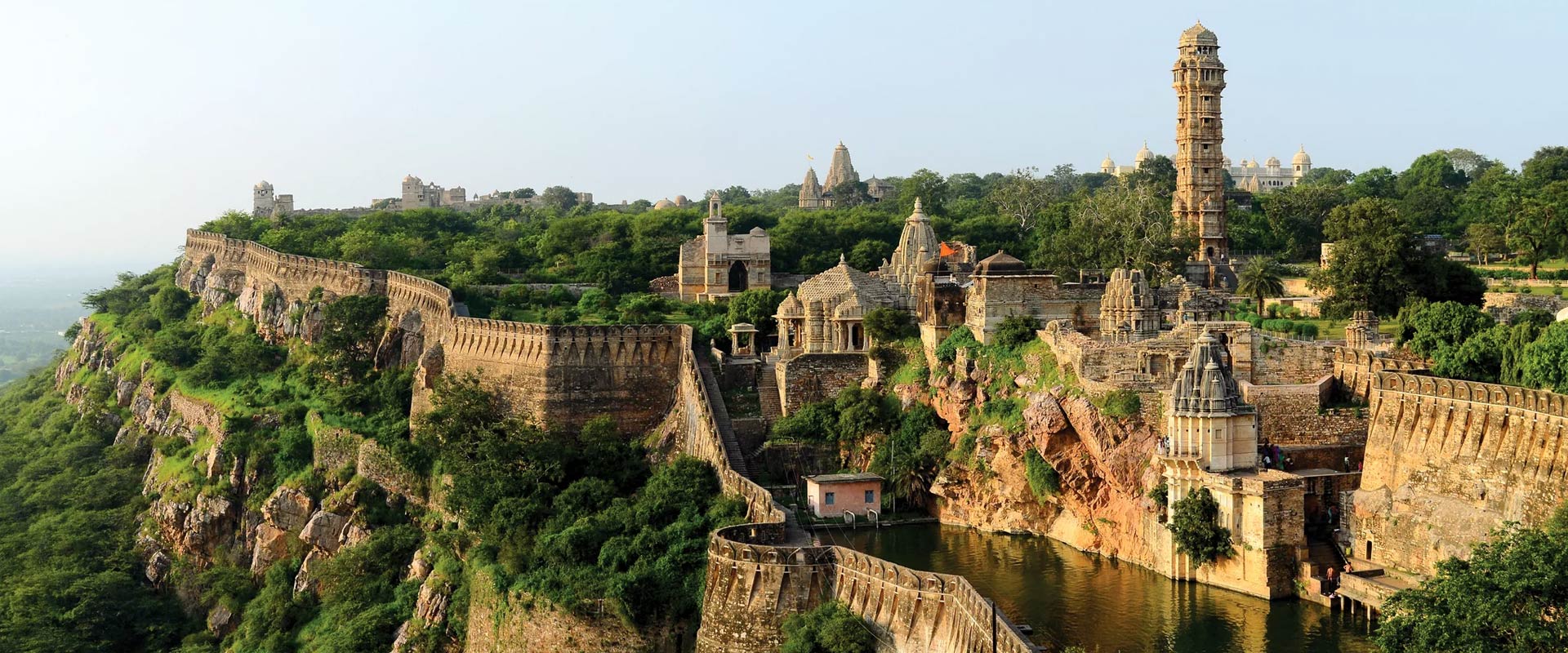
After check-in and relaxing, start exploring the old city of Jaipur. Drive to visit Amer Fort, Nahargarh Fort, and Jal Mahal.
The Jal Mahal provides a photogenic view
Return to the hotel for an overnight stay in Jaipur.
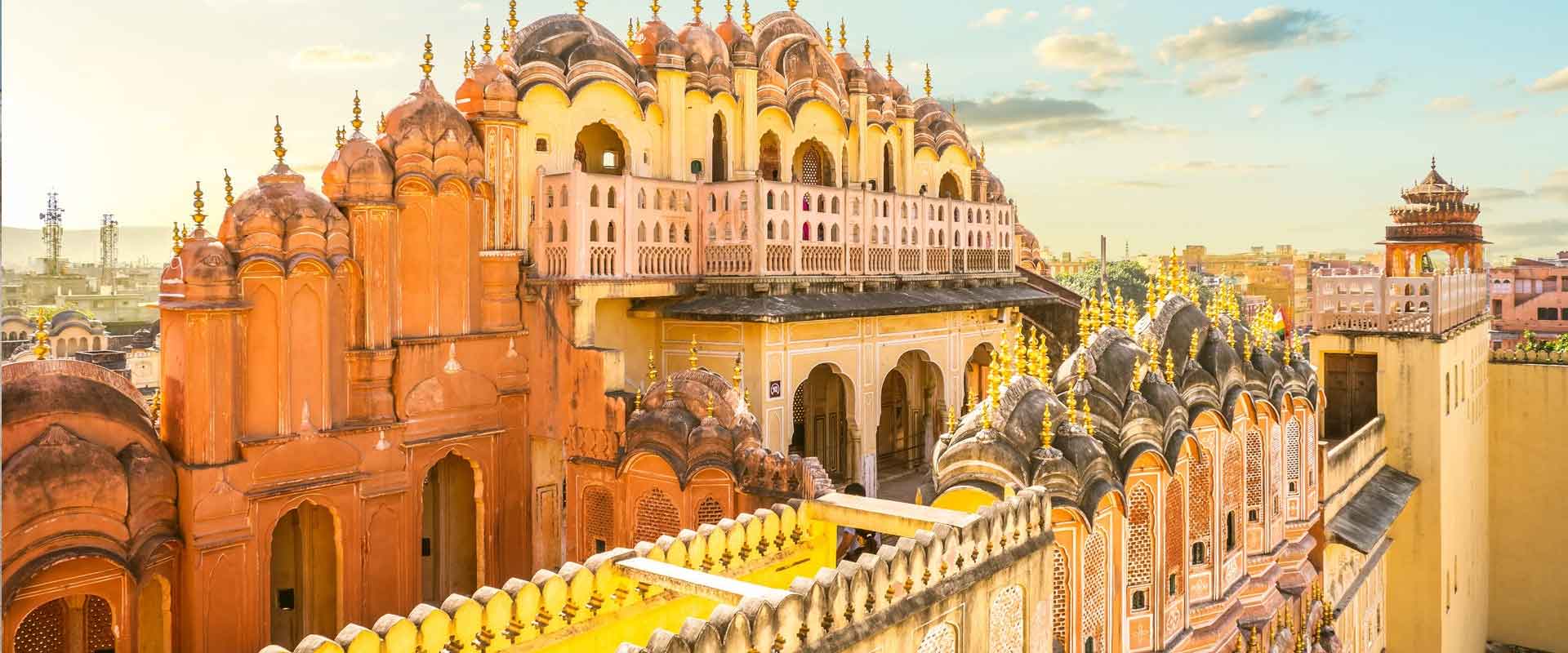
After breakfast, drive to visit City Palace, Jantar Mantar, Hawa Mahal, and Albert Hall Museum.
Explore the fort's courtyards and palace sections.
Return to the hotel and stay overnight.
After breakfast, check out from the hotel and drive towards Bikaner. On arrival, check in at your hotel.
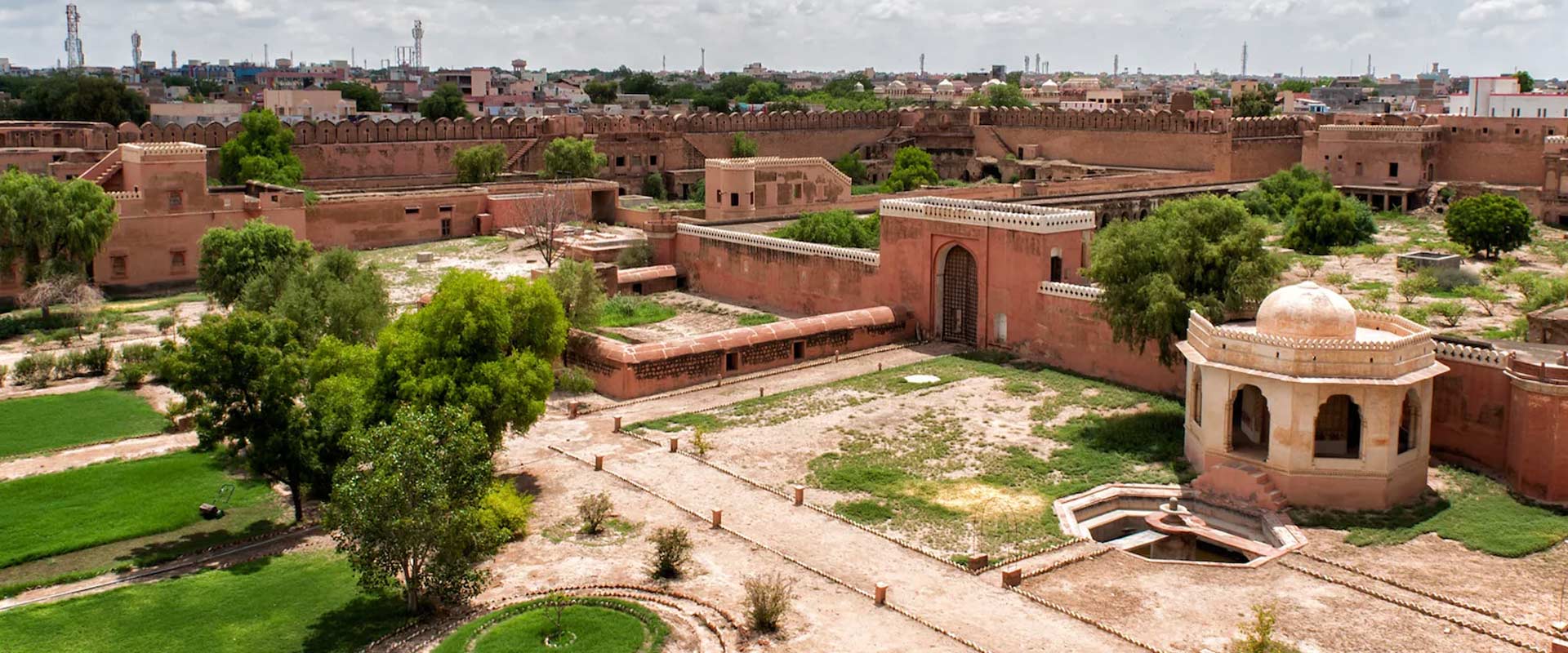
Later, visit Junagarh Fort, known for its courtyards, palaces, and richly decorated interiors. Also visit Karni Mata Temple.
Return to the hotel and stay overnight.
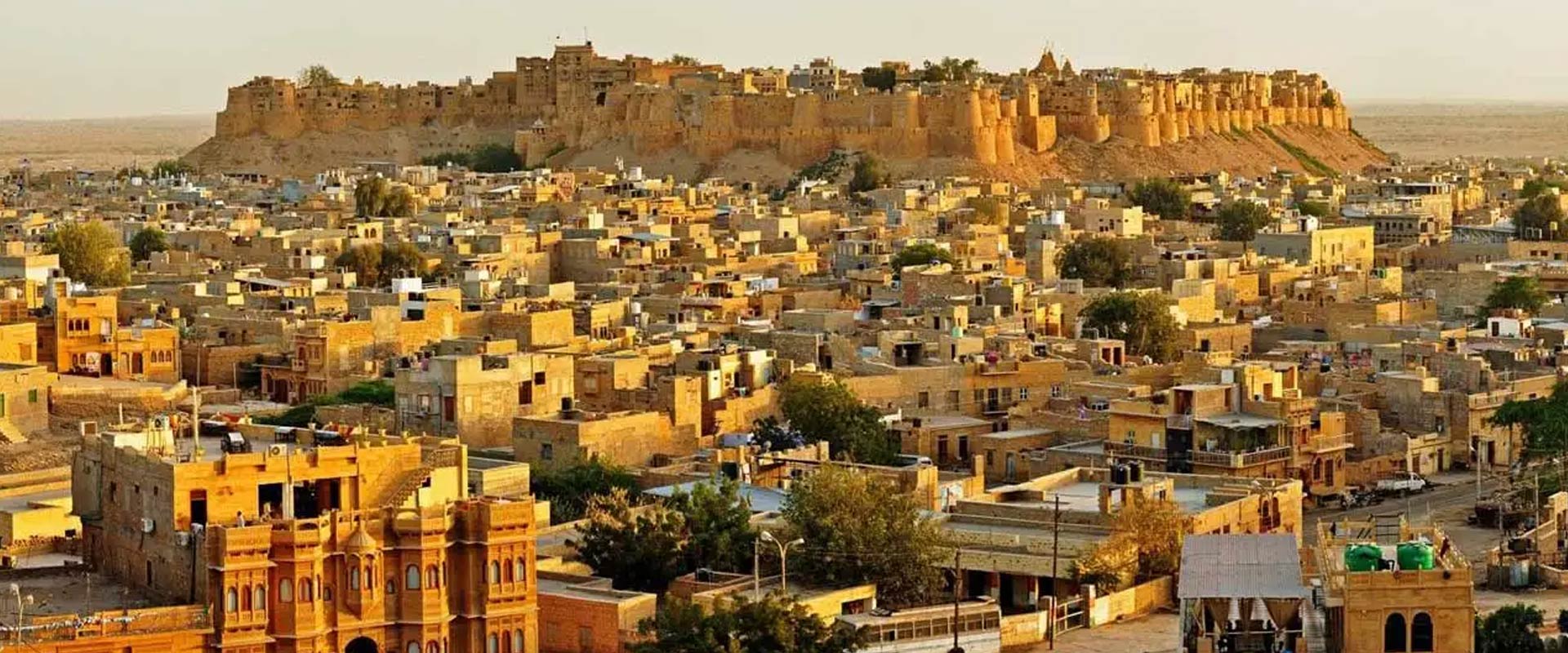
After breakfast, check out from the hotel and drive towards Jaisalmer.
(Golden City).
On arrival, check in at your hotel. Later, drive to visit Jaisalmer Fort and Gadisar Lake.
Return to the hotel and stay overnight.
After breakfast, check out from the hotel and drive to visit the remaining sightseeing.
On the way, visit Patwon Ki Haveli and Saleem Singh Ki Haveli.
In the afternoon, drive towards Sam Sand Dunes and check in at your desert camp.
In the evening, enjoy a camel ride around sunset, and cultural program & dance performances and dinner at the camp.
Overnight stay at Sam Sand Dunes Desert Camp.
After breakfast, check out from the Desert Camp and drive towards Jodhpur.
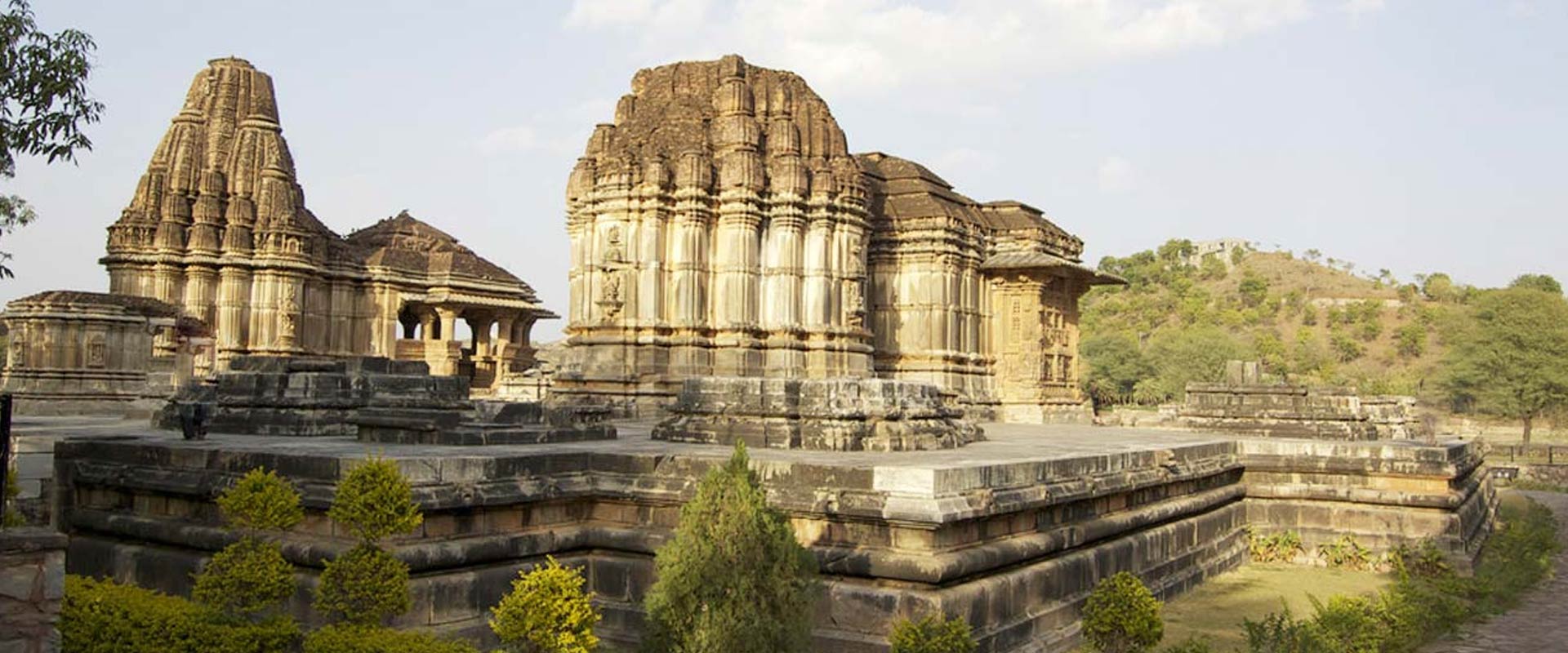
Visit Osian en route before continuing to Jodhpur.
On arrival, check in at your hotel. Later, drive to visit Mandore Gardens.
Return to your hotel and stay overnight.
After breakfast, drive to visit Mehrangarh Fort, Jaswant Thada, and Umaid Bhawan Palace & Museum.
Later, return to your hotel and have an overnight stay.
After breakfast, check out from the hotel and drive towards Udaipur.
Visit Ranakpur en route. Continue towards Udaipur.
On arrival, check in to the hotel and relax. Later, drive to visit Saheliyon ki Bari and Bagore ki Haveli.
Return to the hotel and stay overnight.
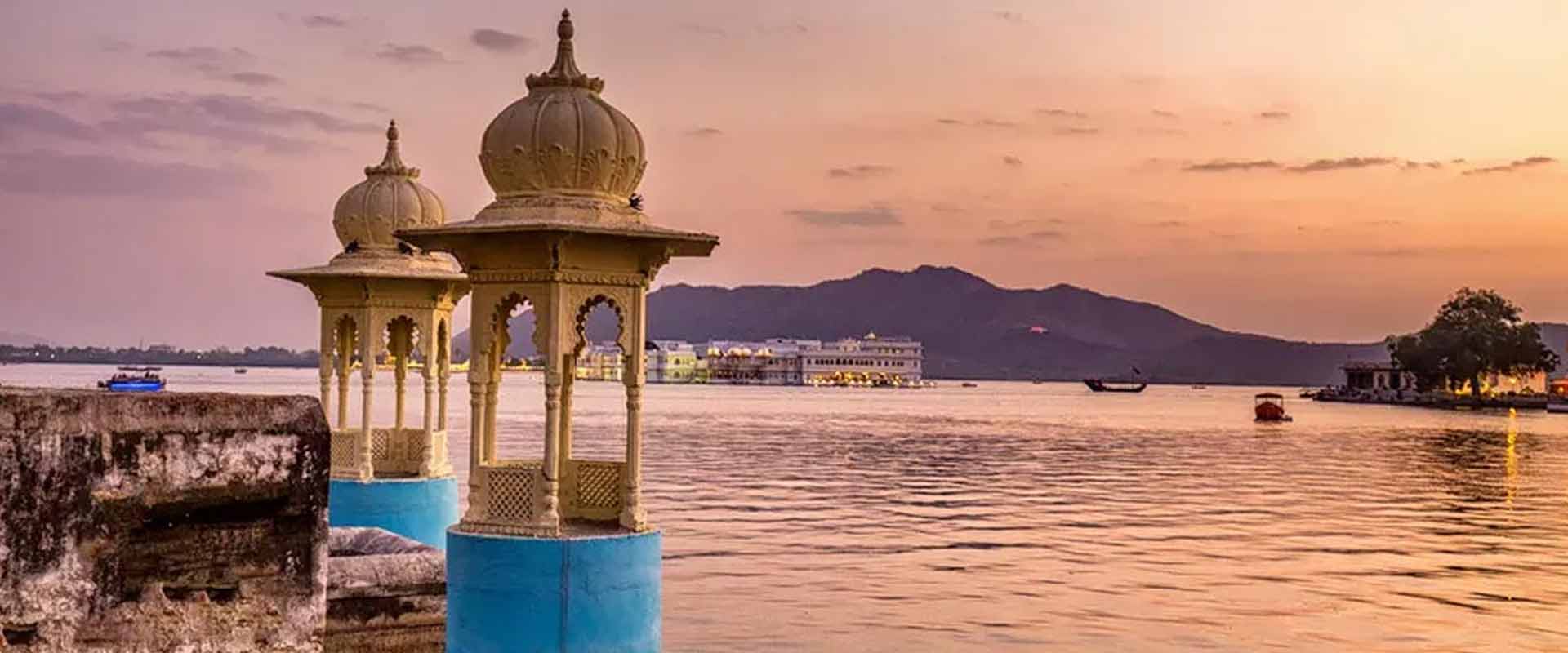
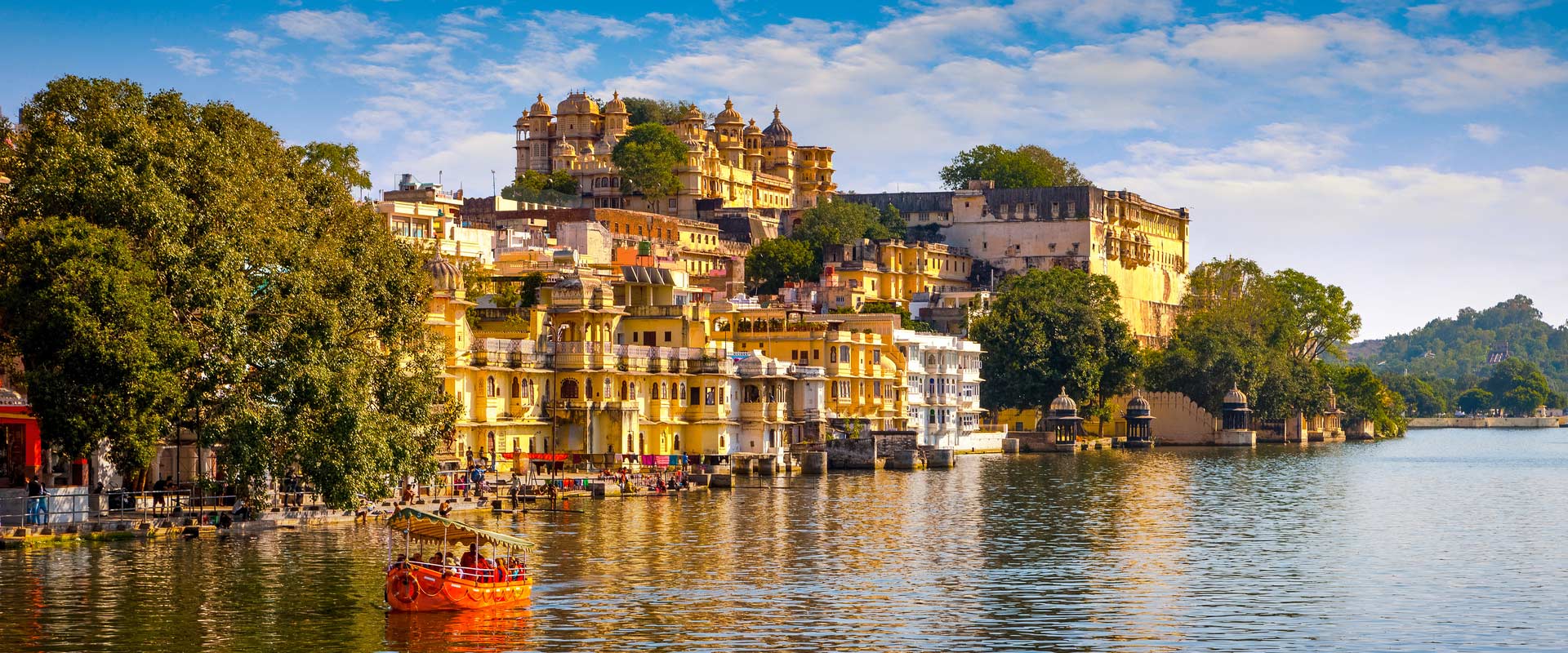
After breakfast, drive to visit City Palace, Jagdish Temple, Jag Mandir Palace, Fateh Sagar Lake, and Lake Pichola.
In the evening, take a boat ride on Lake Pichola.
Return to the hotel and overnight stay.
After breakfast, check out from your hotel.
Later, you will be dropped at Airport/ Railway Station for departure. As per your departure time, with sweet memories.
Free Support!
The best times to travel to India is usually from October till March, when the weather is pleasant in most parts of the country. Now, travel during monsoon months (July – September) is also possible, as appropriate facilities are being provided at places that present a good tourism opportunity during this time (such as Goa, the Western Ghats, Kerala, etc.).
Since India has a tropical climate, it is essential to carry mosquito repellents (creams, lotions), medicines for fever and diarrhea, cold and allergy. It is also advisable to carry mineral water, as at places the quality of water offered for drinking might be doubtful. Also, carry sun screen if possible, especially during the summer months. Foreign tourists must carry their Yellow Fever Vaccination Certificate conforming to International Health Regulations if they have traveled to, or even been in transit through Africa, South America or Papua New Guinea in the last six months. No other vaccination is required. For personal protection, however, inoculation is recommended for cholera, typhoid, malaria and hepatitis. Detailed information on medical care and first aid tips while traveling to India.
Any foreigner who wants to enter India must have a valid visa affixed on his or her passport. This can be obtained from the Indian Consulate in various countries. Foreign nationals of Indian origin, their spouses and children also need visas. They can however obtain Entry Visas valid upto 10 years. Tourist Visas can be obtained for 6 months, 1 year or even 10 years. Visas of the appropriate type should be obtained by students, businessmen, journalists and others who want to visit India for professional purposes.
All types of visas are valid for the indicated period from the date of issue (and not from the date of first entry into India). Post-dated visas are not issued. Application form and picture requirements All applicants for Entry and Tourist Visas are required to fill out an application form and provide one recent passport size photograph. Applicants for Business, Research, Journalist and some other types of visas are required to submit two forms duly filled in and two pictures.
Indian Government’s tourist offices are present all over the world. Click here for a list of these offices to locate one in your area… Govt. of India Tourist offices- Overseas. Govt. of India Tourist offices – India.
Indian Government’s tourist offices are present all over the world. Click here for a list of these offices to locate one in your area… Govt. of India Tourist offices- Overseas. Govt. of India Tourist offices – India.
India is on the fast track of economic development. Even in the wake of modernization, the country has not lost its connection with its age old tradition and heritage. It offers you state-of-the-art facilities, and the conference venues are equipped with latest technological gadgetry. Moreover, a large part of the population understands and speaks English. So when you hold a conference/seminar in India, you have the twin advantage of modern amenities and the promise of an exotic experience.