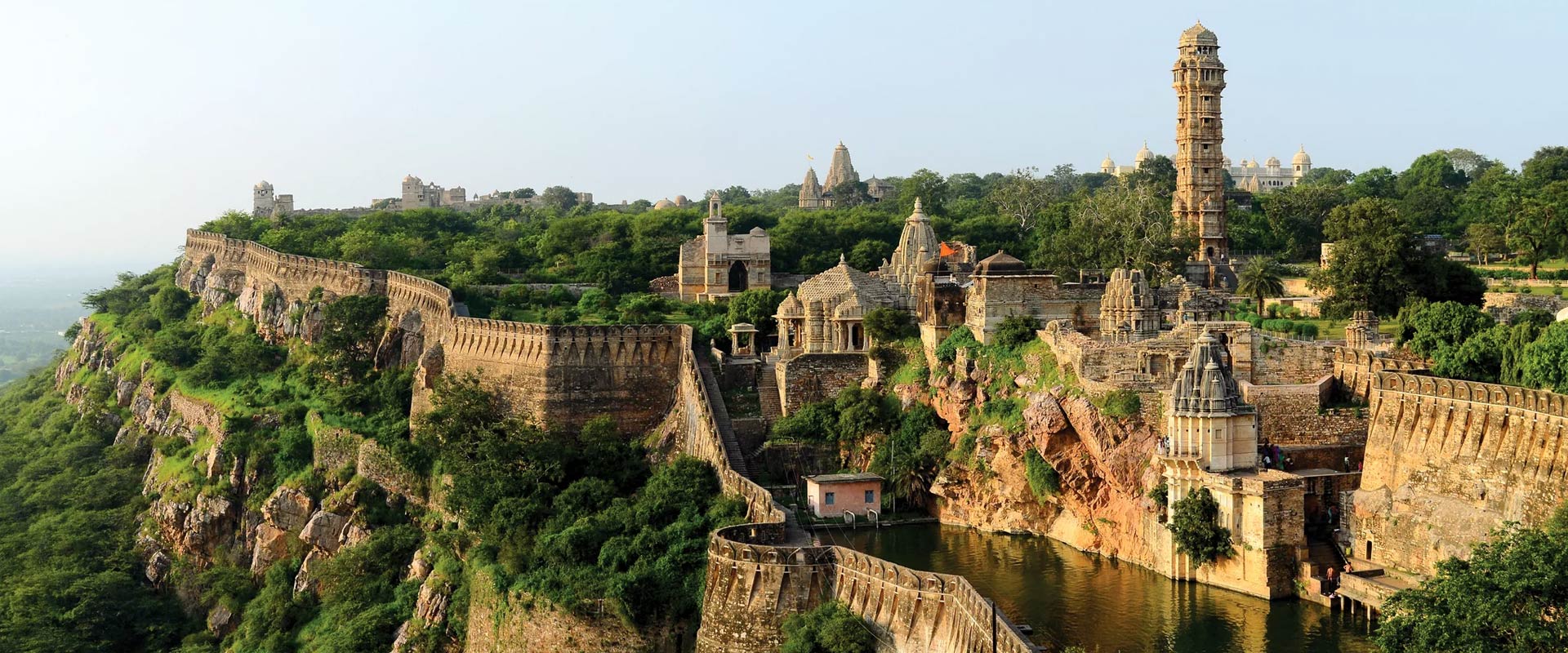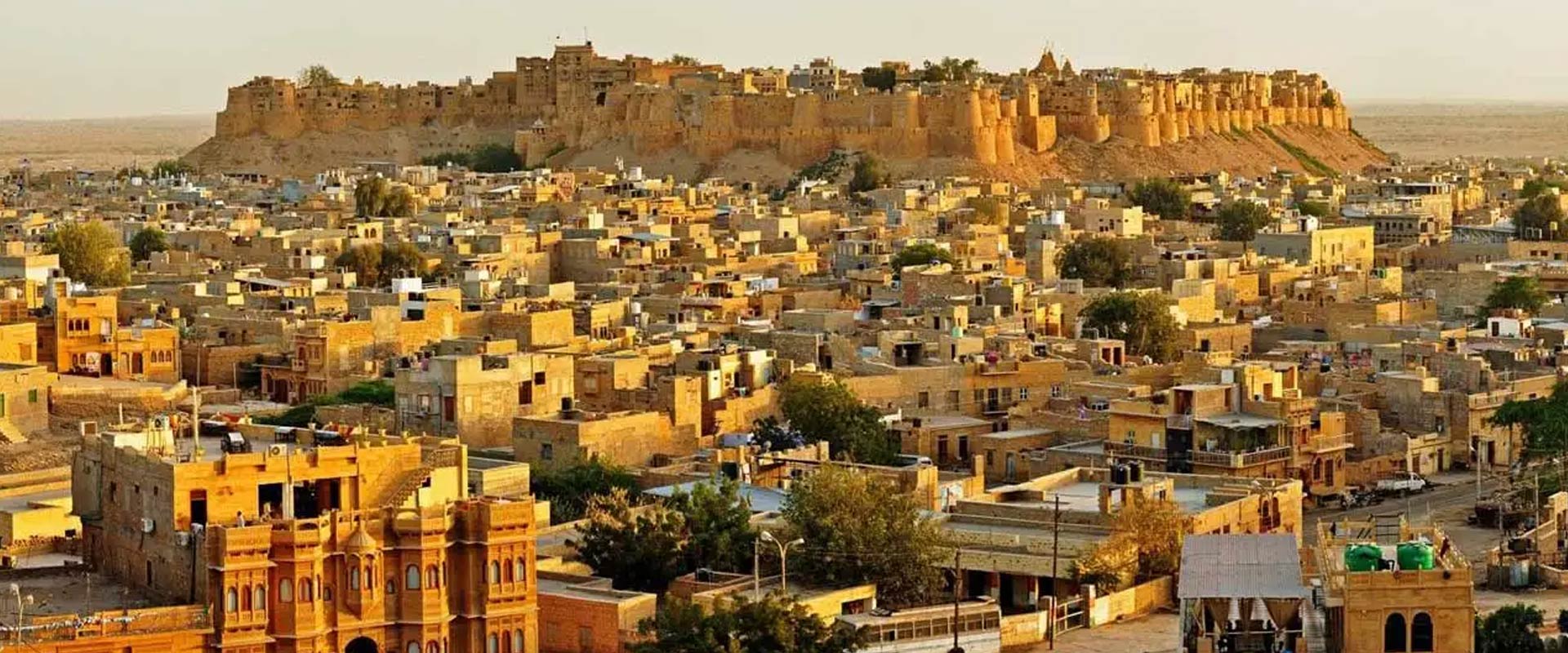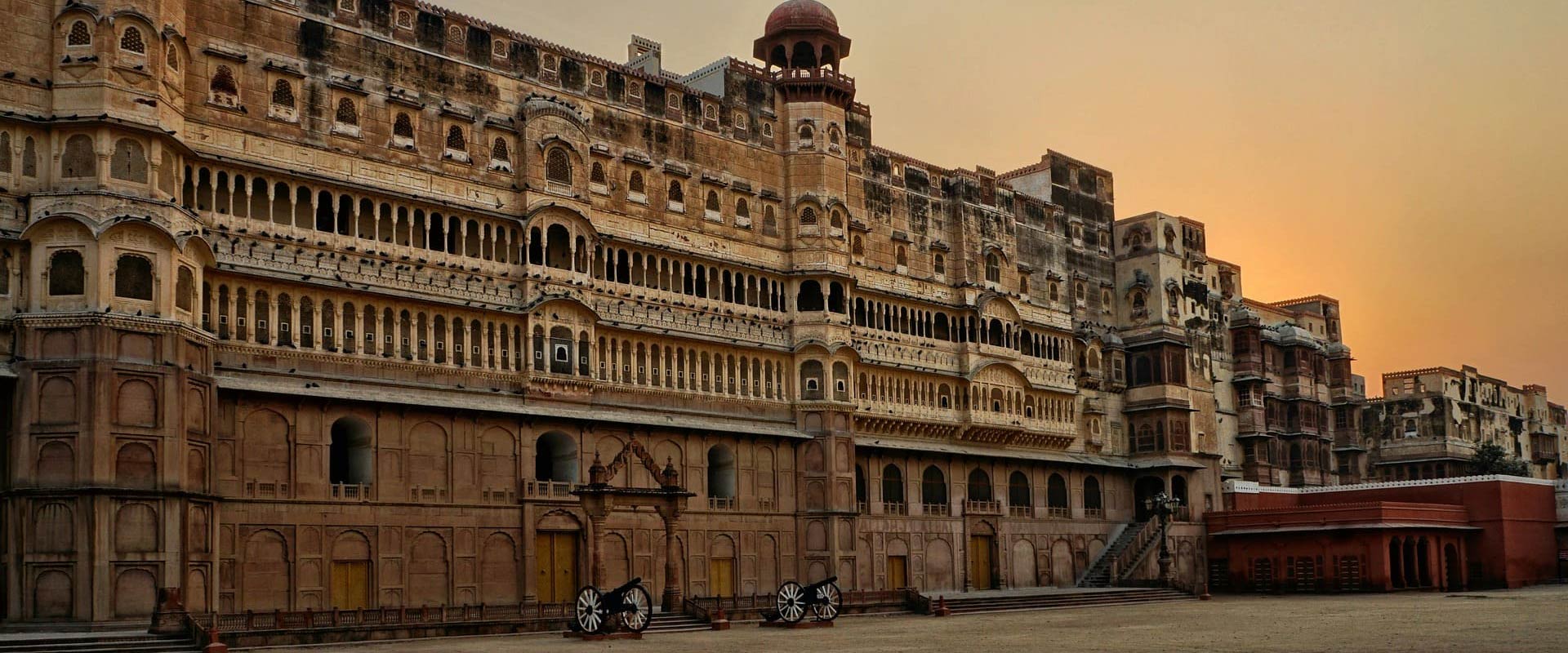

This 2 Nights 3 Days Jaipur Agra Tour Package by B2B Rajasthan Tours follows a route we recommend for travellers combining Jaipur’s forts with the Taj Mahal in one short trip. Starting in Jaipur and ending in Agra, it covers Amber Fort, City Palace, Fatehpur Sikri, the Taj Mahal, and Agra Fort. This private Jaipur Agra Package suits couples, families, and first-time visitors.
| Hotel Accommodation on DBL sharing basis |
| Daily Breakfast & Dinner |
| All Sightseeing and transfers by Air-Conditioned Vehicle |
| Driver Allowance, Fuel, Parking Charges, Toll Taxes and Interstate Taxes |
| Meals & drinks other than specified in inclusions. |
| Expenses of personal nature such as portages, tickets |
| All entrances, camera fees, guide & driver tipping |
| Insurance Cover. |
| Any air/train/bus fare. |
Jaipur: Upon arrival in Jaipur. On your arrival, our representative will welcome you, and you will proceed with sightseeing.
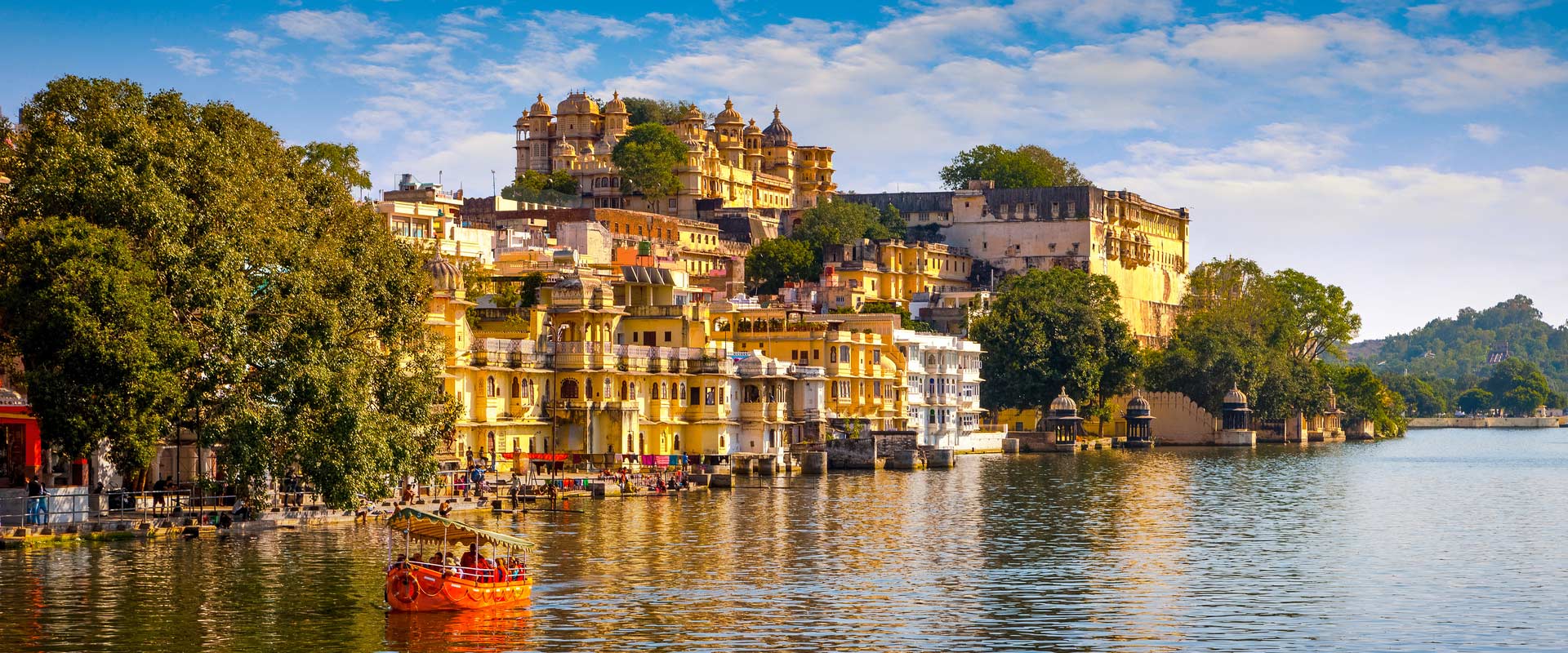
Amber Fort: Begin with Amber Fort, the ancient hill fort in Amer and a part of the UNESCO-listed Hill Forts of Rajasthan. Wander through the courtyards, palace sections, and Sheesh Mahal.
Proceed to Panna Meena ka Kund and then halt at the Jal Mahal for some snaps.
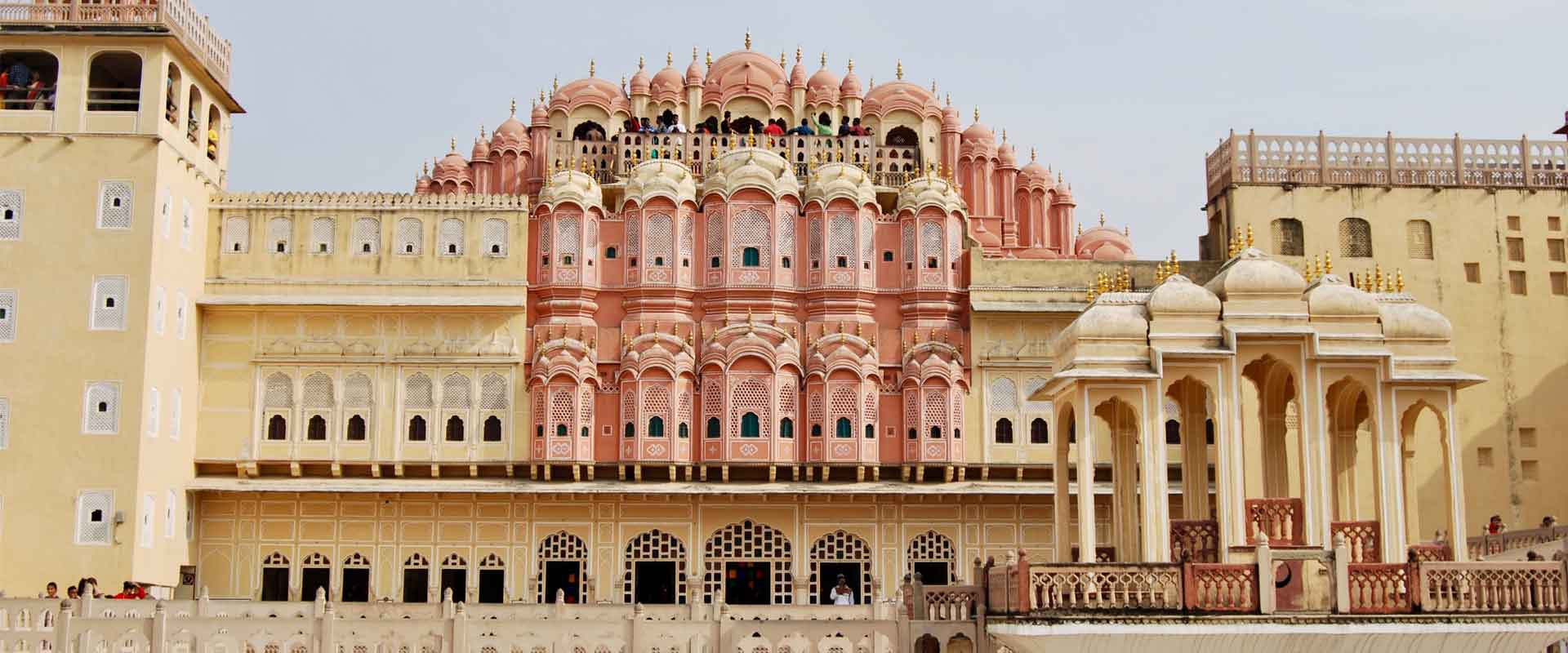
Visit the old city of Jaipur to explore the City Palace and Jantar Mantar before taking a photo stop at the famous Hawa Mahal.
In the evening, visit the local markets of Jaipur and return to your hotel.
Overnight: Jaipur
After breakfast, check out and drive towards Agra.
On your way, discover Fatehpur Sikri, the old Mughal imperial city founded by Emperor Akbar, and now a UNESCO World Heritage Site. Walk around the town to see its palaces, its courtyards and other monuments, before going to Agra.
Arrive, check into your hotel and relax.
Depending on your time of arrival, you can visit the local Market or Mehtab Bagh for views towards the Taj Mahal across the Yamuna River.
Overnight: Agra
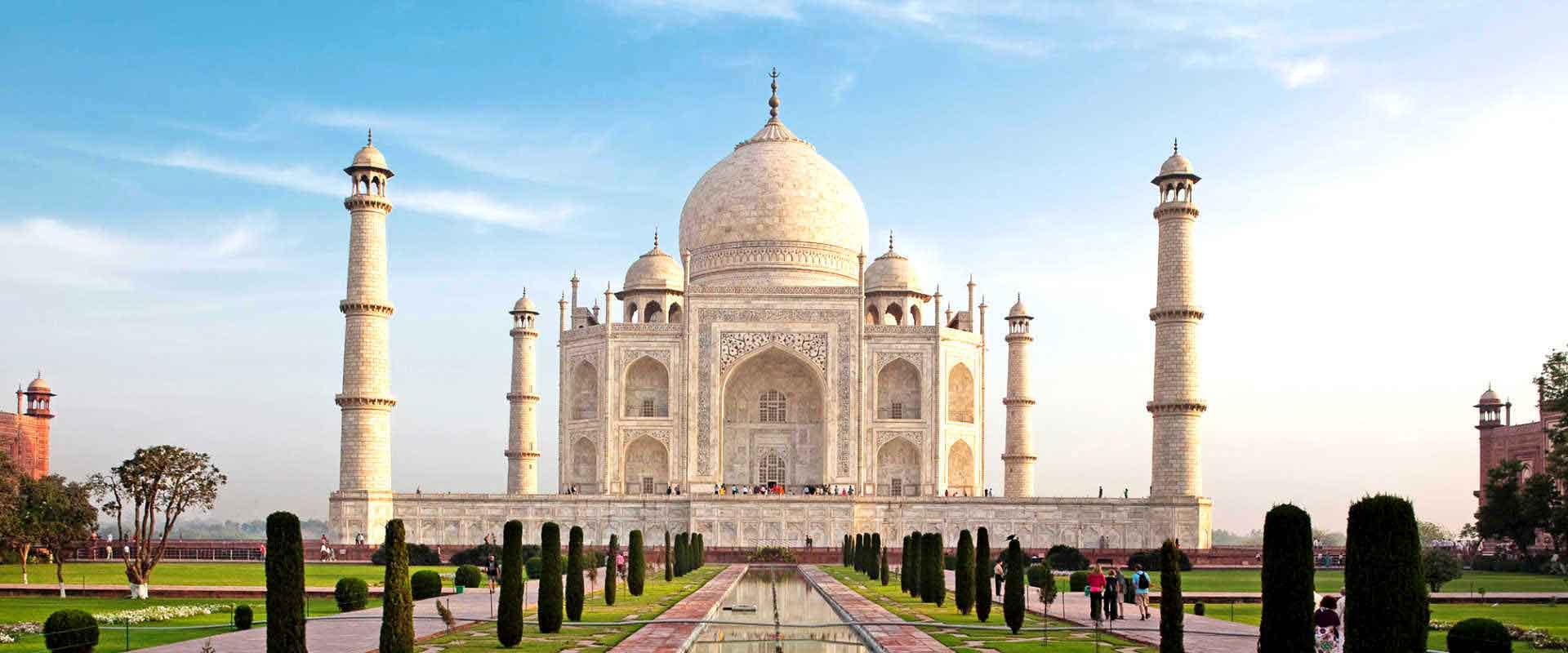
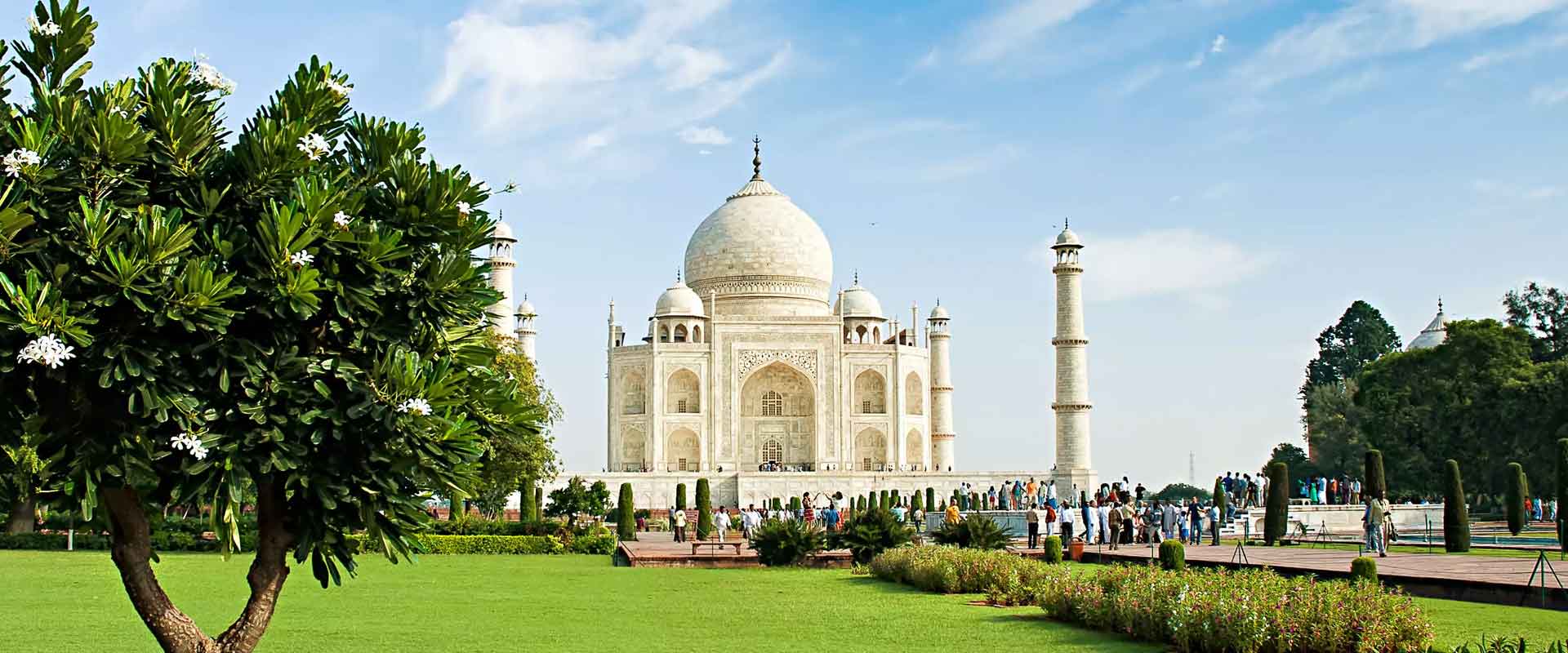
Beautiful sunrise over the marble mausoleum. Begin your day at the magnificent Taj Mahal, a 17th-century white-domed mausoleum commissioned by Mughal emperor Shah Jahan.
Back to your hotel for breakfast, check-out, and proceed to Agra Fort, a UNESCO World Heritage Site, where Mughal palaces, audience halls, and fortifications are located.
If Time Permits, Handicraft Shops. Your driver may also take you to a few local handicraft shops en route before you are transferred to Agra Railway Station or drop you at your preferred location in Agra.
Once you have toured both heritage sites of North India, the Jaipur-Agra tour package will come to an end.
Free Support!
The best times to travel to India is usually from October till March, when the weather is pleasant in most parts of the country. Now, travel during monsoon months (July – September) is also possible, as appropriate facilities are being provided at places that present a good tourism opportunity during this time (such as Goa, the Western Ghats, Kerala, etc.).
Since India has a tropical climate, it is essential to carry mosquito repellents (creams, lotions), medicines for fever and diarrhea, cold and allergy. It is also advisable to carry mineral water, as at places the quality of water offered for drinking might be doubtful. Also, carry sun screen if possible, especially during the summer months. Foreign tourists must carry their Yellow Fever Vaccination Certificate conforming to International Health Regulations if they have traveled to, or even been in transit through Africa, South America or Papua New Guinea in the last six months. No other vaccination is required. For personal protection, however, inoculation is recommended for cholera, typhoid, malaria and hepatitis. Detailed information on medical care and first aid tips while traveling to India.
Any foreigner who wants to enter India must have a valid visa affixed on his or her passport. This can be obtained from the Indian Consulate in various countries. Foreign nationals of Indian origin, their spouses and children also need visas. They can however obtain Entry Visas valid upto 10 years. Tourist Visas can be obtained for 6 months, 1 year or even 10 years. Visas of the appropriate type should be obtained by students, businessmen, journalists and others who want to visit India for professional purposes.
All types of visas are valid for the indicated period from the date of issue (and not from the date of first entry into India). Post-dated visas are not issued. Application form and picture requirements All applicants for Entry and Tourist Visas are required to fill out an application form and provide one recent passport size photograph. Applicants for Business, Research, Journalist and some other types of visas are required to submit two forms duly filled in and two pictures.
Indian Government’s tourist offices are present all over the world. Click here for a list of these offices to locate one in your area… Govt. of India Tourist offices- Overseas. Govt. of India Tourist offices – India.
Indian Government’s tourist offices are present all over the world. Click here for a list of these offices to locate one in your area… Govt. of India Tourist offices- Overseas. Govt. of India Tourist offices – India.
India is on the fast track of economic development. Even in the wake of modernization, the country has not lost its connection with its age old tradition and heritage. It offers you state-of-the-art facilities, and the conference venues are equipped with latest technological gadgetry. Moreover, a large part of the population understands and speaks English. So when you hold a conference/seminar in India, you have the twin advantage of modern amenities and the promise of an exotic experience.